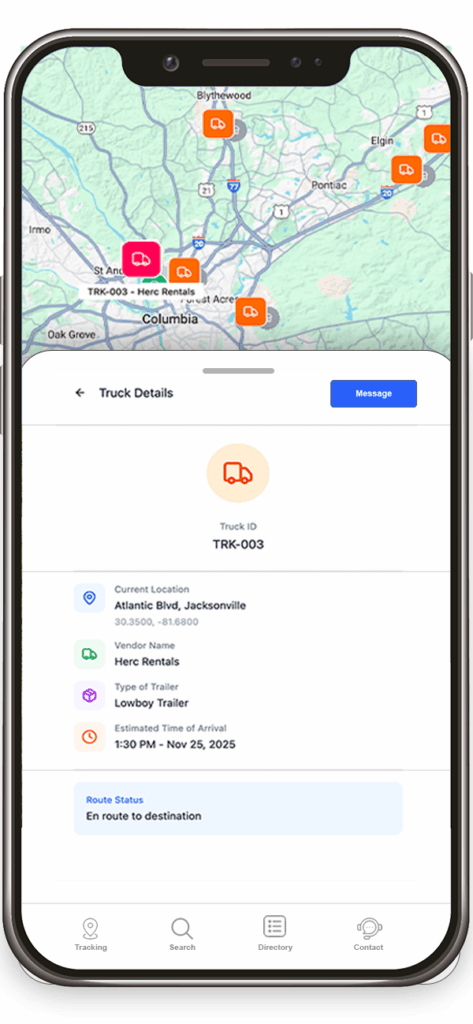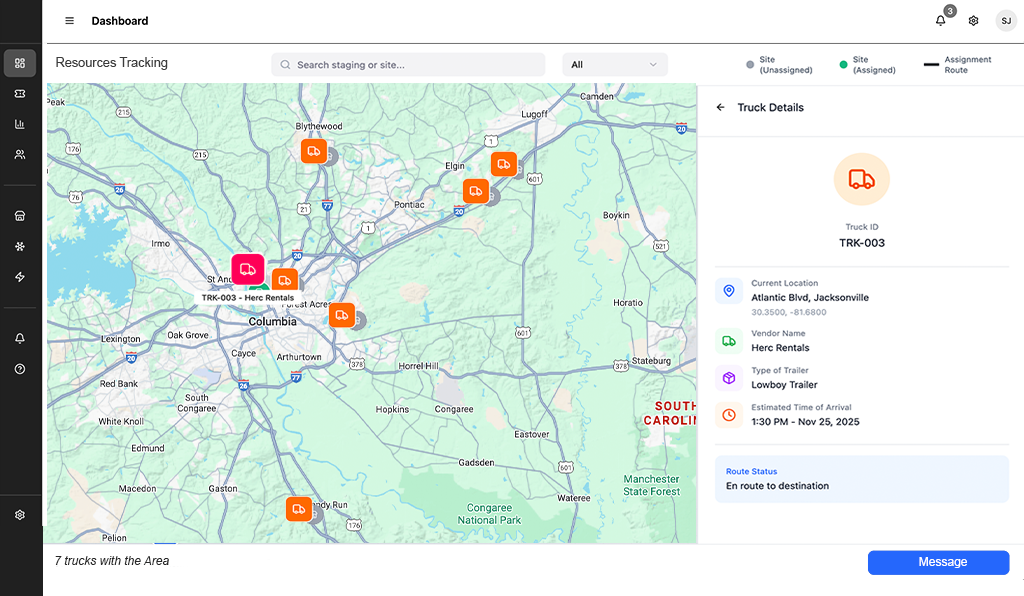
Note: All project details shown here have been adapted to honor NDA requirements. Sensitive information has been removed or reimagined while preserving the essence of the design challenge.
Overview
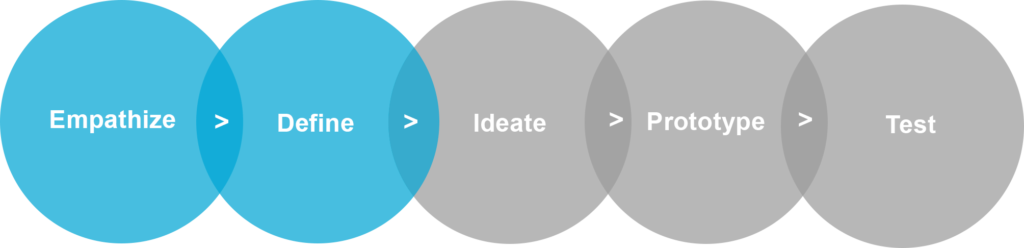
As the senior Product Designer contracted through Experis, I support the Disaster Recovery Team (DRT) in modernizing how the company prepares for hurricanes, wildfires, and large-scale power disruptions. The project spans workflow mapping, enterprise UX, data visualization, and AI-powered decision support.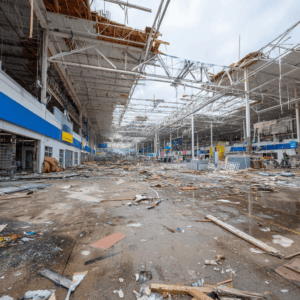
My role is to translate complex, high-stakes operations into clear tools that help teams make faster, safer, and more informed decisions during a crisis.
The Challenge
Key facts:
- Hurricanes cause an average of $22.8 billion to commercial businesses annually, according to a 2025 report NOAA.
- The 15 minutes of a disaster set the precedent of possible recovery for businesses.
- Tracking, orchestrating, and communicating are the key challenges in managing a disaster and capturing cost.
UX Research – Pain Points:
Like many disaster recovery systems for large organizations like Target, Amazon, and Kroger, a disaster recovery team has to manage thousands of stores, distribution centers, generators, vendors, and logistics partners during extreme weather events. Most workflows relied on:
-
Fragmented systems
-
Manual data gathering
-
Delayed access to resource availability
-
Complex, cross-team decision chains
-
Critical information hidden in spreadsheets, emails, and legacy platforms
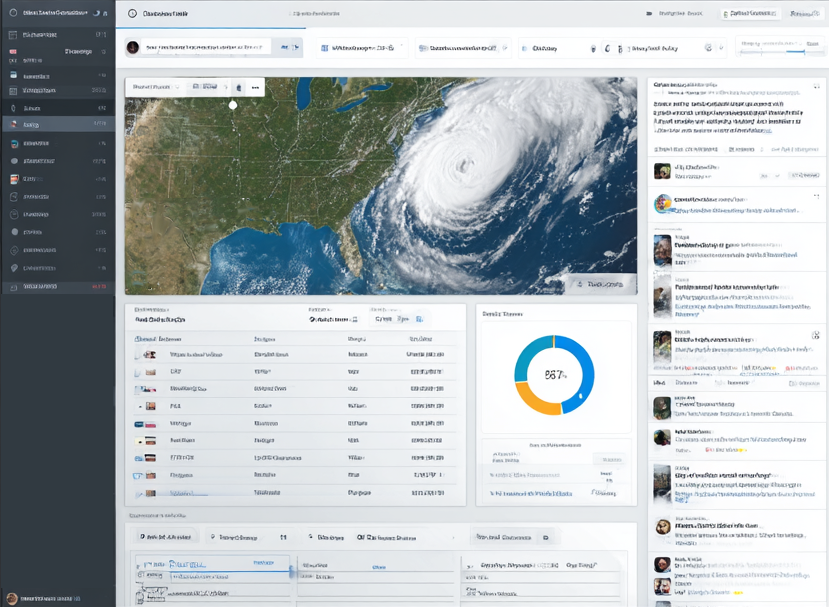
Teams needed a unified, intuitive interface that provided clarity in moments where time, accuracy, and coordination matter most.
Approach:
- UX research with defined personas and competitive analysis
-
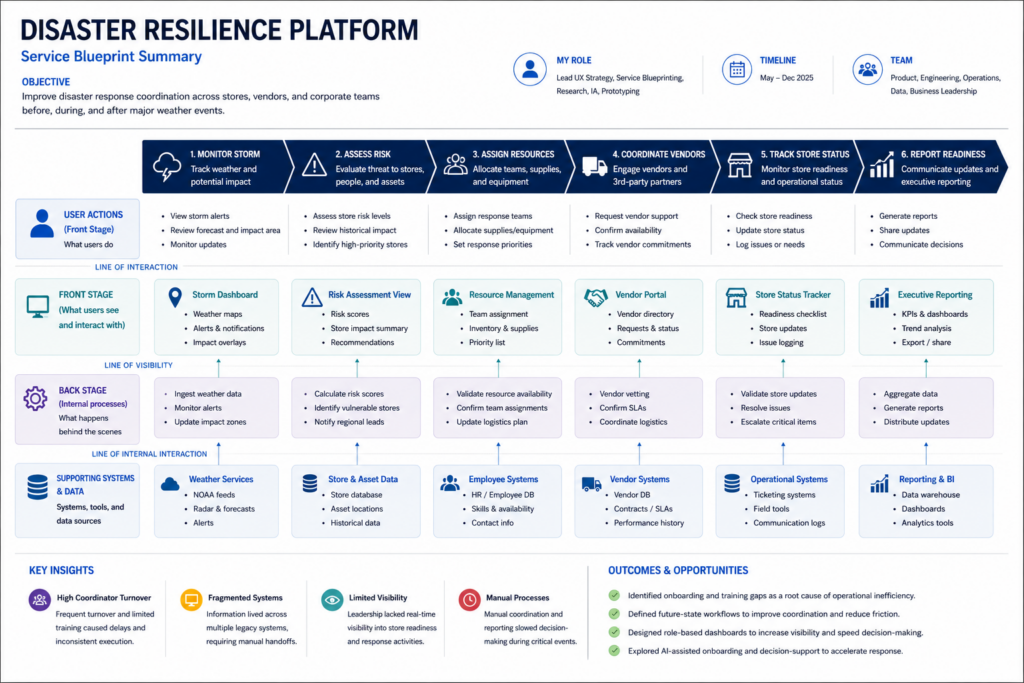
Service Blueprint
-
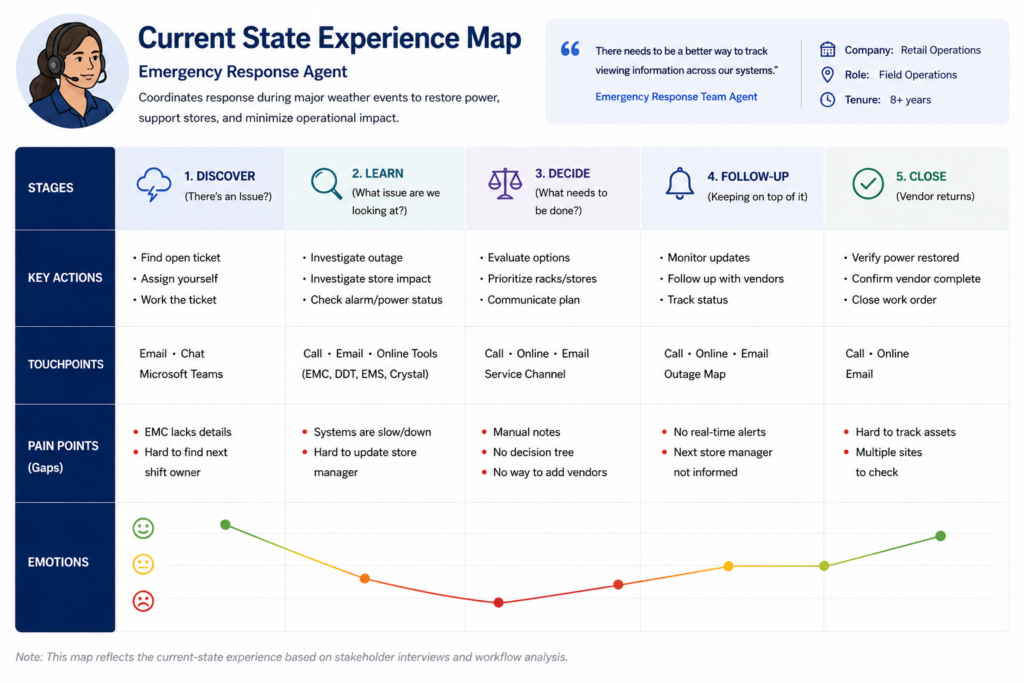
User Journey Maps (current and future states)
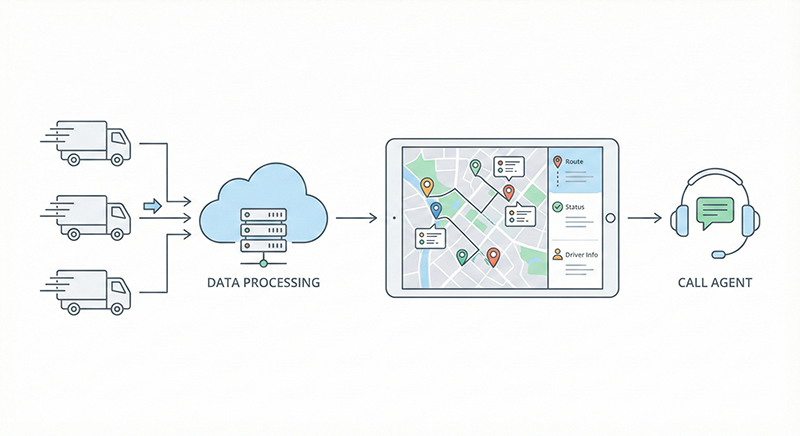
- Future state AI workflows and userflows
-
AI-assisted ideation, flow optimization, and scenario modeling
-
Rapid prototyping for early validation
Discovery Work – Journey Map & Service Blueprint
Objective
Understand how disaster response operations function across people, processes, systems, and data to identify operational bottlenecks and improve coordination before, during, and after major weather events.
Methods
- Stakeholder Interviews
- Workflow Analysis
- Service Blueprinting
- Current-State Service Mapping
- Cross-Functional Workshops
Key Insight
Research revealed that onboarding gaps, fragmented systems, and limited operational visibility created bottlenecks that slowed disaster response coordination and increased operational risk.
Impact:
Fewer coordination bottlenecks
Faster generator assignments
Predictable delivery timelines
Reduced operational chaos during high-stakes events